Good Dog Font for Web Design
I was working on a new boutique website for a small artisanal candle brand, and I needed a font that felt warm, inviting, and just a little bit playful. That’s when I stumbled upon Good Dog. At first glance, it looked like the kind of font that could easily be dismissed as too cute or too whimsical for a professional site—but I decided to test it out in the hero section.
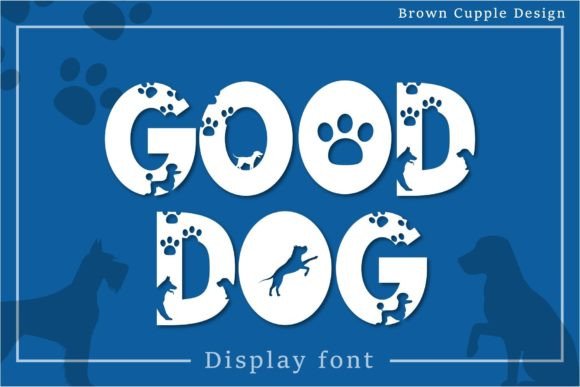
Good Dog is a decorative font with a distinct personality. It has a hand-drawn charm that feels authentic and approachable. The curves are soft, the lines are friendly, and the overall mood is light and cheerful. It's not just a font—it's an experience. When I placed it over a full-screen image of a candlelit room, it immediately added character without overpowering the visuals.
As I tested Good Dog across different screen sizes, I noticed how well it adapts to responsive layouts. On mobile devices, the font remains legible even at smaller sizes. It doesn’t become jagged or pixelated, which is a huge plus for any web designer looking for a display font that works across platforms. I used it for headlines on product pages, and it brought a sense of warmth that matched the brand’s identity perfectly.
Using Good Dog in Digital Projects
Good Dog is ideal for short phrases, titles, and decorative accents. I used it for the main headline of the homepage, and then paired it with a clean sans serif font for body copy. This combination worked beautifully—Good Dog provided visual interest, while the sans serif font ensured readability and professionalism.
For the product landing page, I applied Good Dog to the call-to-action buttons. It gave them a friendly, approachable feel that encouraged visitors to click. The same font also worked well for promotional banners and blog headers. It didn’t feel out of place, and it helped reinforce the brand’s voice consistently across the site.
One thing to keep in mind is that Good Dog isn’t suited for long paragraphs or dense blocks of text. Its decorative nature makes it more appropriate for headlines, subheadings, and short bursts of text. If you're designing a landing page or a digital ad, this font can help draw attention and create a memorable impression.
Design Considerations for Web Use
When using Good Dog, I made sure to consider contrast and background colors. It looks best against light or neutral backgrounds, where its details can stand out. On dark backgrounds, I adjusted the font weight slightly to maintain visibility. For image overlays, I used a semi-transparent background to ensure the text remained legible without clashing with the visuals.
Another important factor was ensuring that the font loaded quickly. I checked that the webfont version was optimized and that it didn’t slow down the site’s performance. Since Good Dog is a premium font, it’s essential to confirm that it includes all necessary styles, weights, and alternates before finalizing a design project.
Font pairing is also crucial. I found that Good Dog pairs well with minimalist sans serif fonts like Helvetica or Montserrat for body text. This contrast helps maintain visual hierarchy and ensures that the design remains balanced and easy to read.
Where Good Dog Shines Online
Good Dog is perfect for creative websites, online stores, and digital marketing campaigns. It adds a personal touch that can make a brand feel more human and relatable. I saw how it elevated the look of the candle store’s website, making it feel more like a cozy shop than a generic e-commerce platform.
It’s also great for course pages, portfolio sites, and coaching websites. The font brings a sense of playfulness that can be especially appealing to younger audiences or brands targeting lifestyle and wellness niches. When used thoughtfully, it can enhance brand recognition and emotional appeal.
However, it’s not suitable for every digital use case. Avoid using it for form labels, navigation menus, or accessibility-focused interfaces where clarity is key. Stick to display purposes, and always pair it with a complementary font for body text.
Before launching any project with Good Dog, make sure to check the licensing terms, especially if you're creating templates, selling digital assets, or using the font for commercial purposes. Confirm that it supports all the languages you need and that it includes the necessary file formats for web use.
Overall, Good Dog has become one of my go-to fonts for digital projects that require a friendly, approachable aesthetic. Whether it's a hero section, a button, or a heading, it brings a unique charm that can elevate the user experience and strengthen brand identity. It's a versatile tool that blends creativity with functionality—something every web designer should have in their toolkit.