Coco Butterfly Font for Web Design
There I was, tweaking the hero section of a boutique online store, when I stumbled upon Coco Butterfly. The moment I applied it to the headline, something clicked. It felt like magic—playful yet refined, whimsical but not overly sweet. As a web designer, I knew this font could bring a unique personality to digital spaces without sacrificing usability.
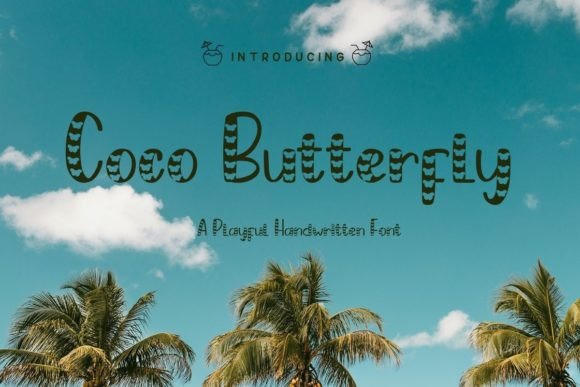
Coco Butterfly is a decorative display font that leans into its charm with soft curves and delicate flourishes. It carries a playful and whimsical style, making it perfect for websites that want to evoke a sense of wonder or creativity. Whether you're designing a creative portfolio, an online shop, or a coaching site, this font can add character and emotional appeal to your brand’s visual identity.
Testing Coco Butterfly in Real Web Layouts
I tested Coco Butterfly on a few different web layouts to see how it performed. First, I placed it over a full-screen image banner for a boutique clothing site. The font looked stunning against the vibrant background, adding a touch of elegance while still feeling approachable. Next, I used it for a call-to-action button on a course sales page. The contrast between the bold, decorative font and the clean sans serif body text made the CTA stand out without overwhelming the user.
One thing I noticed right away was how well Coco Butterfly works for short phrases and titles. It shines in hero sections, section headings, and promotional banners. However, I avoided using it for long paragraphs or dense blocks of text. As expected, the decorative nature of the font isn’t ideal for lengthy content where readability is key.
Where Coco Butterfly Fits Best in Digital Design
Coco Butterfly excels in situations where you need to grab attention quickly. It's a great fit for website headers, landing page headlines, and branding elements like logos or taglines. I found it particularly useful for creative portfolios, where the font adds a personal touch that aligns with the artist’s aesthetic.
On a product landing page for handmade goods, I used Coco Butterfly for the main title and paired it with a clean sans serif font for the supporting text. This combination created a balanced look that felt both professional and inviting. For a blog redesign, I incorporated it into the header graphics and post titles, giving the site a fresh, modern feel without compromising legibility.
When it comes to mobile responsiveness, Coco Butterfly holds up well. I tested it on various screen sizes and found that it scales nicely without losing its visual appeal. However, I did pay close attention to how it appeared on smaller screens and adjusted the font size accordingly to ensure it remained readable and impactful.
Font Pairing and Readability Tips
Pairing Coco Butterfly with the right fonts can elevate your design significantly. For a more polished look, I recommend combining it with a simple sans serif font like Montserrat or Roboto for body copy. This contrast helps maintain visual hierarchy and ensures that the content remains easy to read.
If you're going for a more editorial or elegant vibe, consider pairing it with a classic serif font such as Georgia or Merriweather. These combinations work well for websites that aim to blend creativity with professionalism.
Another tip is to use Coco Butterfly sparingly. While it's visually appealing, overusing it can lead to a cluttered design. Limit its use to headlines, buttons, and decorative accents to keep your layout clean and focused.
For dark backgrounds, I found that Coco Butterfly maintains good visibility, especially when using a light color for the text. On light backgrounds, a darker shade of the font works best to ensure maximum contrast and readability.
What to Consider Before Using Coco Butterfly
Before implementing Coco Butterfly on a live website or client project, there are a few things to check. First, verify if the font includes all necessary styles, alternates, ligatures, and swashes. These features can enhance your designs and offer more flexibility in typography.
Also, make sure the font supports the languages and characters you’ll be using. If your site targets a global audience, multilingual support becomes essential. Lastly, confirm that the font has commercial licensing, especially if you're using it for client projects, online stores, or digital templates.
By keeping these considerations in mind, you can confidently use Coco Butterfly to create visually engaging and professional web experiences that resonate with your audience and reflect your brand’s personality.